How uPVC Multipoint Locks Fail — and Why the Repair Matters
[4] A uPVC door multipoint lock is not a single bolt — it is a system. When you lift the handle and turn the key, a central gearbox drives a series of hooks, rollers and locking points simultaneously along a steel strip inside the door slab. That gearbox is the component that wears fastest. The nylon or steel cam inside it strips after years of use, particularly if the door has dropped slightly on its hinges and the mechanism is being forced to work at an angle. The symptoms are recognisable: the handle feels loose or spongy, the key turns but nothing locks, one bolt engages while others do not, or the door springs open when you try to shut it. Left unaddressed, a door in that condition is not secure — and in many cases it will not meet the minimum requirements that home insurers expect for a standard residential door.
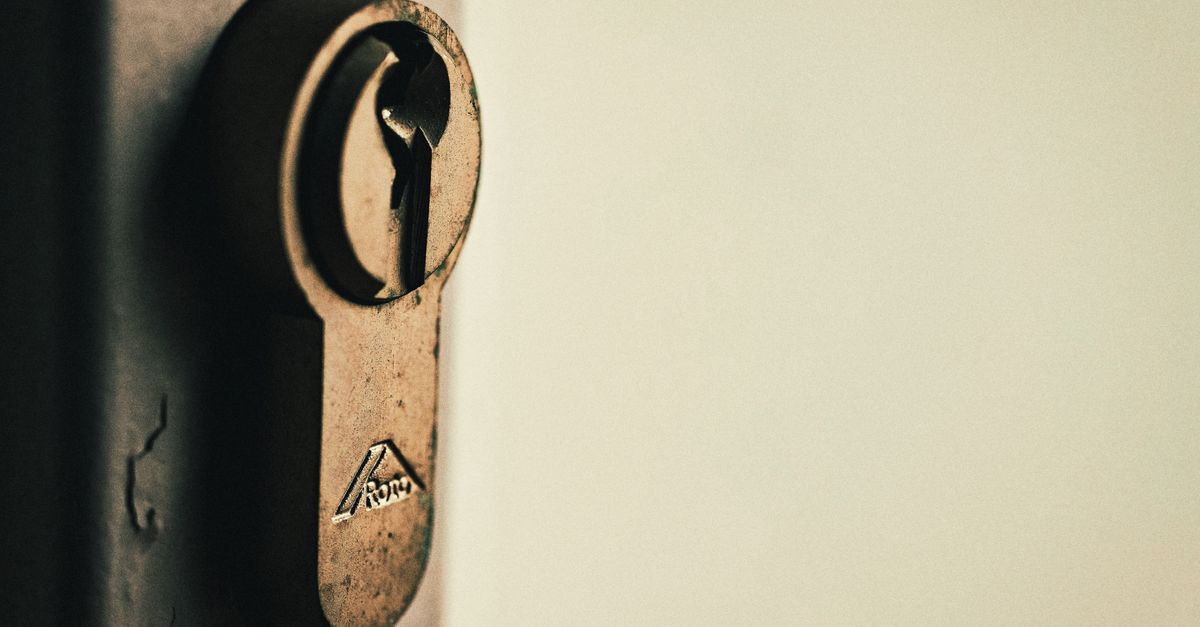
The gearbox itself is the most common casualty, but it is not the only one. The euro cylinder — the barrel the key goes into — can wear, corrode, or become vulnerable to cylinder-snapping, a forced-entry technique where the cylinder is sheared off with a snap-and-turn tool. Upgrading to an anti-snap, TS007 3-star rated cylinder at the same time as a gearbox replacement is a straightforward and worthwhile step. Hook bolts, roller cams, and the steel multipoint strip itself can also bend or crack, especially on composite doors that see heavy use on a busy communal entrance. Our technicians carry a range of replacement gearboxes — ERA, Fullex, Avocet, Mila and other common makes — so the correct unit can be fitted on the first visit rather than leaving the door insecure while parts are ordered.