What Makes a Bedroom and Internal Door Lockout Different
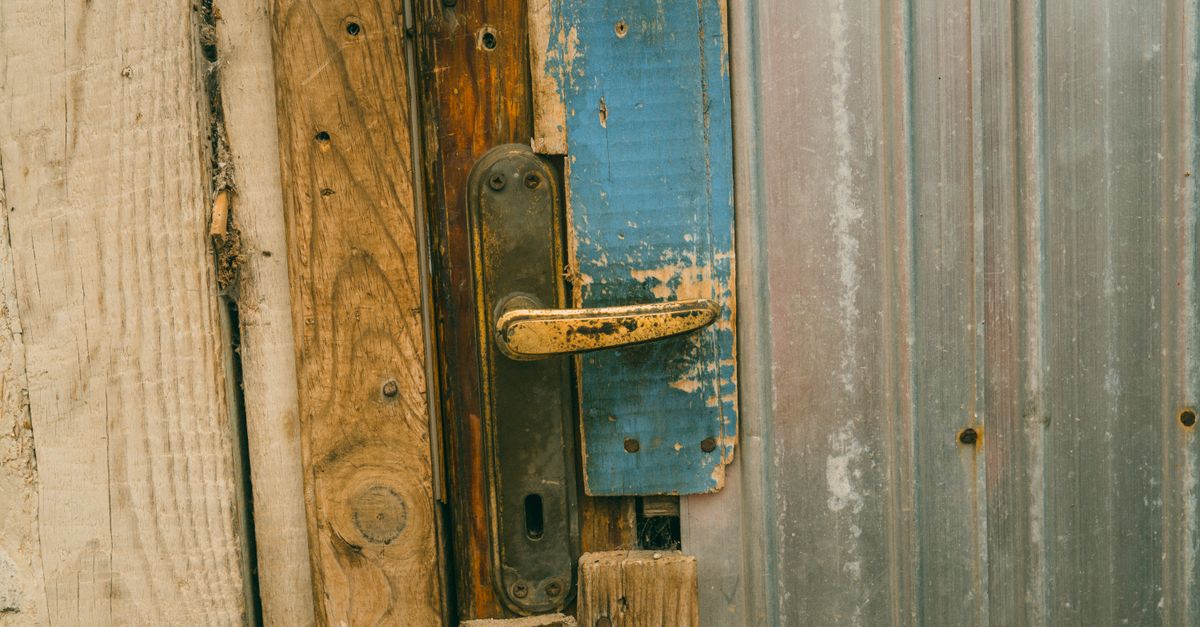
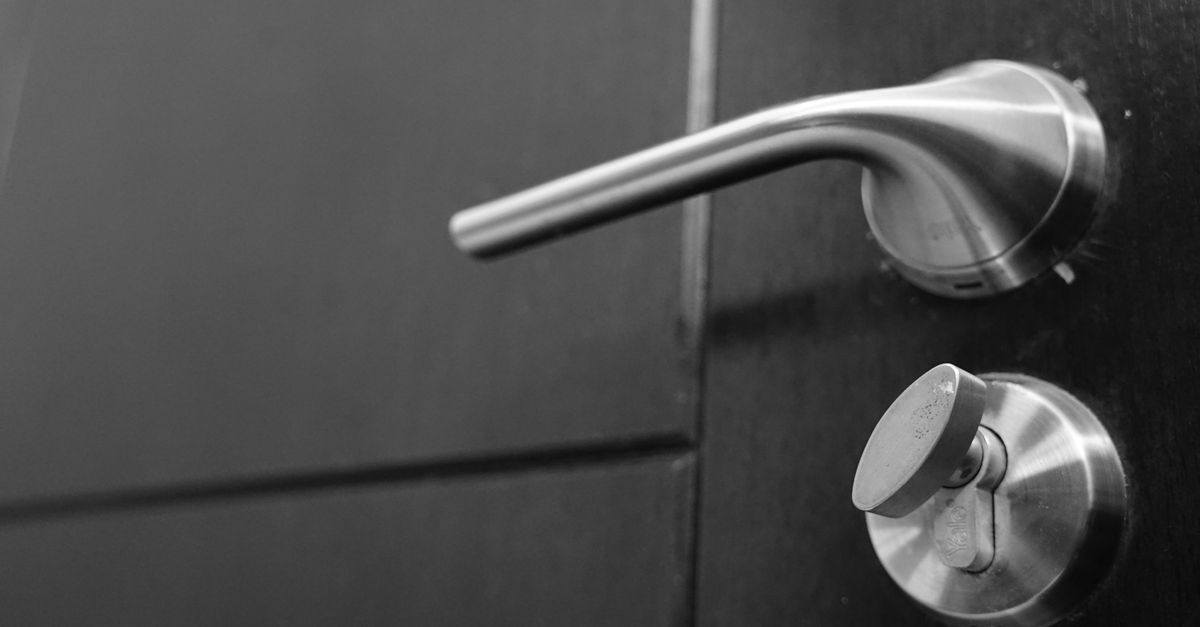
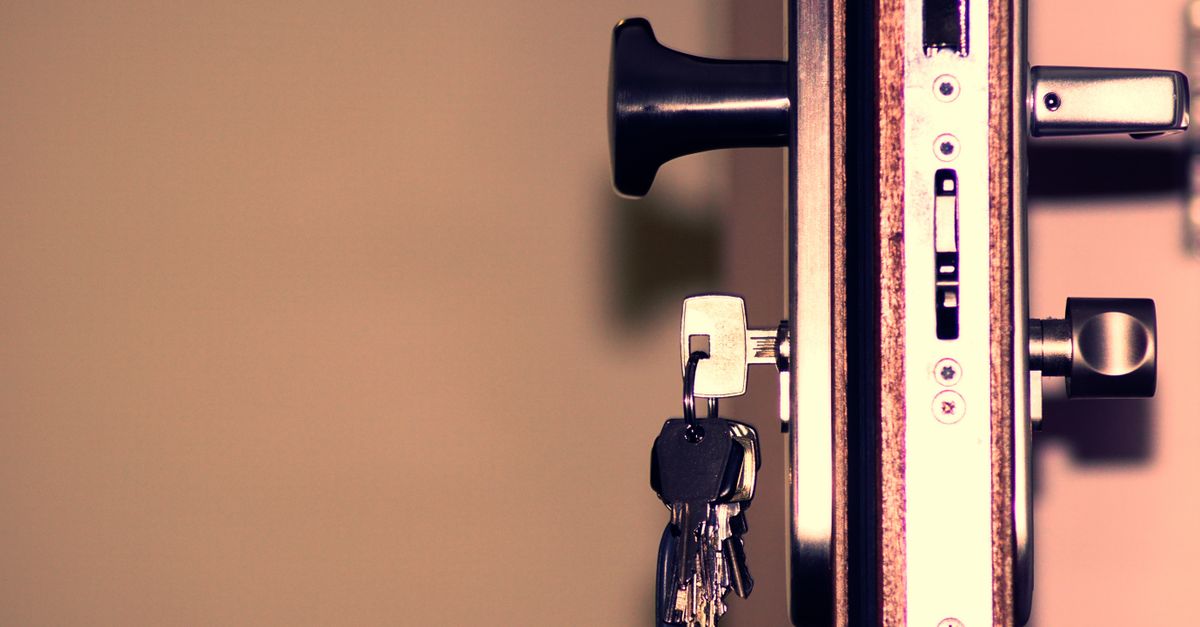
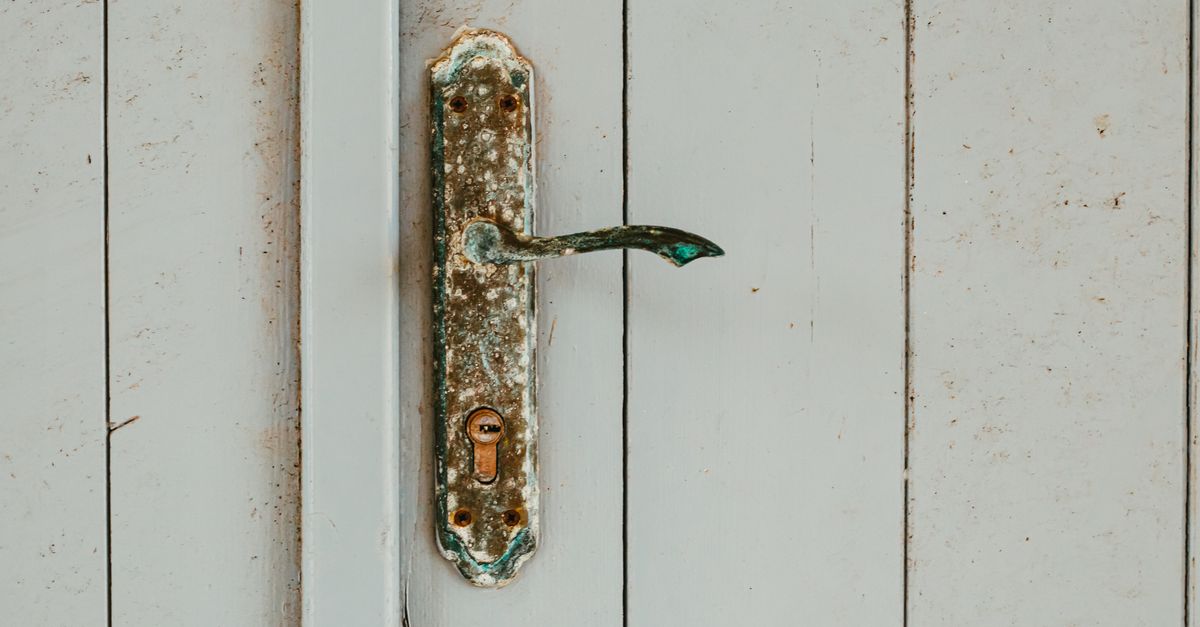
[3] Internal doors in UK homes are almost never fitted with high-security locks. What they do have is a surprisingly wide variety of latch and lock types: a tubular spring latch with a thumb-turn or coin-slot release, a small bathroom mortice lock with a simple deadlock throw, a lever-handle privacy set with a push-button snib, a barrel bolt on the inside of a bathroom, or — in older Victorian and Edwardian flats and houses common throughout Finsbury Park — a traditional small mortice lock that takes a long, thin key. Each type opens differently, and each requires a different approach to avoid causing damage. A technician who tries the same technique on every internal door will, sooner or later, split a door panel or kick out a frame that simply did not need to be touched. Our team identifies the exact lock type before any work begins.
There is also the question of urgency. A bedroom or internal door lockout often involves a vulnerable person — a toddler alone in a room, someone who has had a fall, an elderly resident who cannot call for help. In those situations speed genuinely matters. We answer the phone 24 hours a day, every day of the year including bank holidays, and we dispatch a technician straight away. If there is any concern about someone's immediate safety, always call 999 first — our team can follow on to deal with the door once emergency services have assessed the situation.